
thin film coating on glass
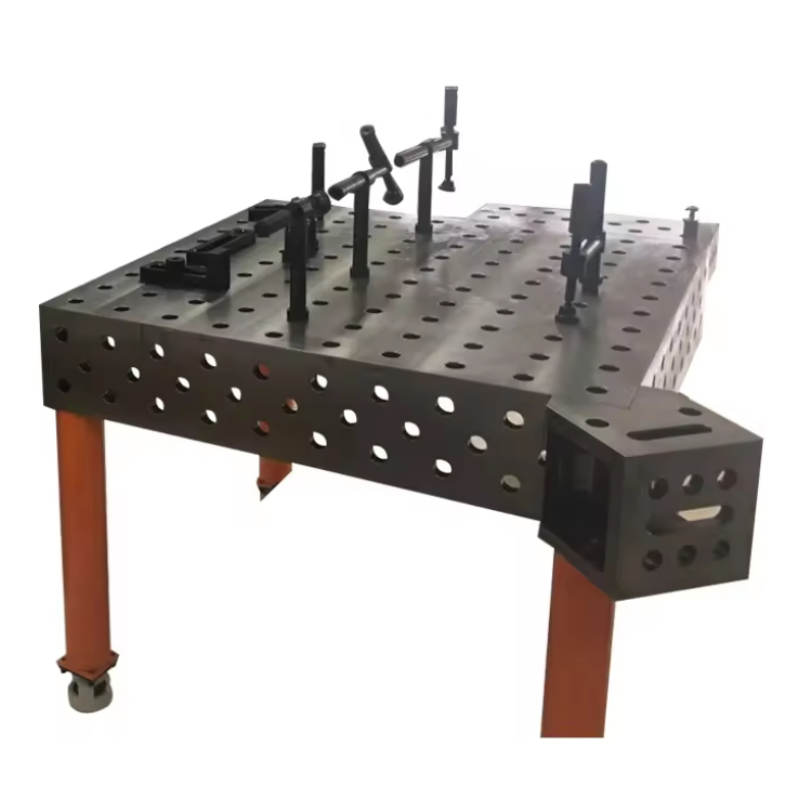
Understanding Welding Fabrication A Comprehensive Overview Welding fabrication is a crucial process in various industries, playing a vital role in the construction and manufacturing of metal structures and components. It involves joining materials, typically metals or thermoplastics, through the application of heat, pressure, or both, resulting in a strong bond. This article explores the essential aspects of welding fabrication, including techniques, materials, applications, and safety considerations. Techniques of Welding Fabrication There are several techniques of welding, each suitable for specific applications. The most common methods include 1. Arc Welding This is one of the most widely used welding processes, which utilizes an electric arc to melt the base material and filler rod. Subtypes include Shielded Metal Arc Welding (SMAW), Gas Metal Arc Welding (GMAW or MIG), and Gas Tungsten Arc Welding (GTAW or TIG). 2. Oxy-Fuel Welding This method uses a flame produced by burning a mixture of oxygen and a fuel gas, usually acetylene. It is often used for cutting metals and is one of the older welding techniques. 3. Resistance Welding This process generates heat through electrical resistance, allowing materials to bond together. Spot welding and seam welding are examples of resistance welding. 4. Laser Welding This modern technique employs a laser beam to melt and fuse materials, offering precision and speed, making it ideal for complex and delicate components. Materials Used in Welding Fabrication welding fabrication table The choice of materials is pivotal in welding fabrication. Commonly welded materials include - Steel Various types of steel, including carbon steel, stainless steel, and alloy steel, are frequently welded due to their strength and versatility. - Aluminum Lightweight and corrosion-resistant, aluminum is commonly used in automotive and aerospace applications. - Plastics Certain thermoplastics can also be welded using specialized techniques, expanding the scope of welding fabrication beyond metals. Applications of Welding Fabrication Welding fabrication is utilized across a range of industries - Construction In building frameworks, bridges, and infrastructure, welding provides the strength and durability required for safety and longevity. - Automotive The automotive industry extensively uses welding for assembling car frames, bodies, and various components. - Manufacturing Many manufacturing processes rely on welded components for machinery, equipment, and tools. Safety Considerations Welding fabrication involves several risks, making safety a top priority. Key safety measures include - Personal Protective Equipment (PPE) Welders should wear appropriate PPE, including helmets with face shields, gloves, and flame-resistant clothing. - Ventilation Proper ventilation is necessary to avoid inhalation of harmful fumes and gases produced during welding. - Fire Hazards Since welding generates sparks, it is essential to maintain a clear work area and keep flammable materials safely stored away. In conclusion, welding fabrication is an integral part of many industries, requiring skilled professionals and a keen understanding of techniques, materials, and safety practices. With ongoing advancements in technology, including automation and robotics, the future of welding fabrication promises increased efficiency and precision, further enhancing its essential role in modern manufacturing and construction.
about
thin film coating on glass
The Importance of Industrial Spirit Levels in Modern Construction In the world of construction and engineering, precision and accuracy are paramount. One of the most essential tools that ensure these qualities is the spirit level, often referred to in industrial contexts as the industrial spirit level. This simple yet effective tool plays a critical role in safeguarding the integrity and safety of structures across a myriad of applications. Understanding the Industrial Spirit Level An industrial spirit level is a device used to establish a horizontal plane or a vertical line. It consists of a sealed tube containing a liquid, usually alcohol or another similar substance, with an air bubble inside. The level is constructed so that the bubble remains centered when the surface is perfectly horizontal or vertical. This functionality has made spirit levels indispensable in various industries including construction, carpentry, plumbing, and even in some scientific research applications. With advancements in technology, modern spirit levels can come equipped with digital displays that provide precise readings, minimizing the risk of human error. However, the basic principles of operation remain the same. Whether digital or analog, the sensitivity and accuracy of an industrial spirit level are vital for ensuring that materials and structures are correctly aligned. Applications in the Construction Industry In construction, using an industrial spirit level is crucial for several reasons. Firstly, it ensures structural integrity. Any misalignment in beams, walls, or foundations can lead to significant structural problems, compromising safety. For example, if a concrete slab is not level, it can lead to water pooling, which may cause corrosion, leakage, or even structural failure over time. industrial spirit level Secondly, a spirit level aids in aesthetic considerations. In projects where appearance matters, such as residential buildings or commercial spaces, builders must ensure that surfaces are visually appealing. Uneven surfaces can lead to unsightly gaps, misaligned tiles, or crooked walls, all of which detract from the overall look of a structure. Using an industrial spirit level helps create the polished finish that customers expect. Additionally, in plumbing, spirit levels are essential when installing fixtures to ensure they are neither tilted nor off-balance. A misaligned sink or toilet can lead to leaks, water damage, or an unsightly appearance. Therefore, accurate leveling is not only a matter of functionality but also contributes to the longevity of installations. Advancements and Future Directions As technology progresses, the capabilities of industrial spirit levels have also improved. Laser levels, for instance, provide more precise alignments over larger distances and are especially useful in large construction sites where traditional levels may fall short. These tools project a straight line over a surface, allowing contractors to work efficiently without constantly rechecking for levelness. Moreover, the integration of smart technology is revolutionizing the way spirit levels are used. Some modern levels can connect to smartphones and tablets, offering advanced features such as augmented reality overlays that help visualize how adjustments can be made in real-time. Conclusion In summary, the industrial spirit level is a cornerstone of construction work that enhances precision and safety. From ensuring structural integrity to contributing to aesthetic appeal, the role of spirit levels cannot be understated. As technology evolves, the future of leveling tools promises even greater accuracy and user-friendliness. For builders, engineers, and DIY enthusiasts alike, understanding and utilizing these tools properly is essential for achieving optimal results in any project. The industrial spirit level may be a simple tool, but its impact on quality and safety in construction is profound and undeniable.
-

High quality industrial productsagement

High quality industrial products
View Details -

Meet the diverse needs of customers

Meet the diverse needs of customers
View Details -

Strict quality control

Strict quality control
View Details -

Top raw materials

Top raw materials
View Details -

Trusted supplier

Trusted supplier
View Details
Our application


news and information
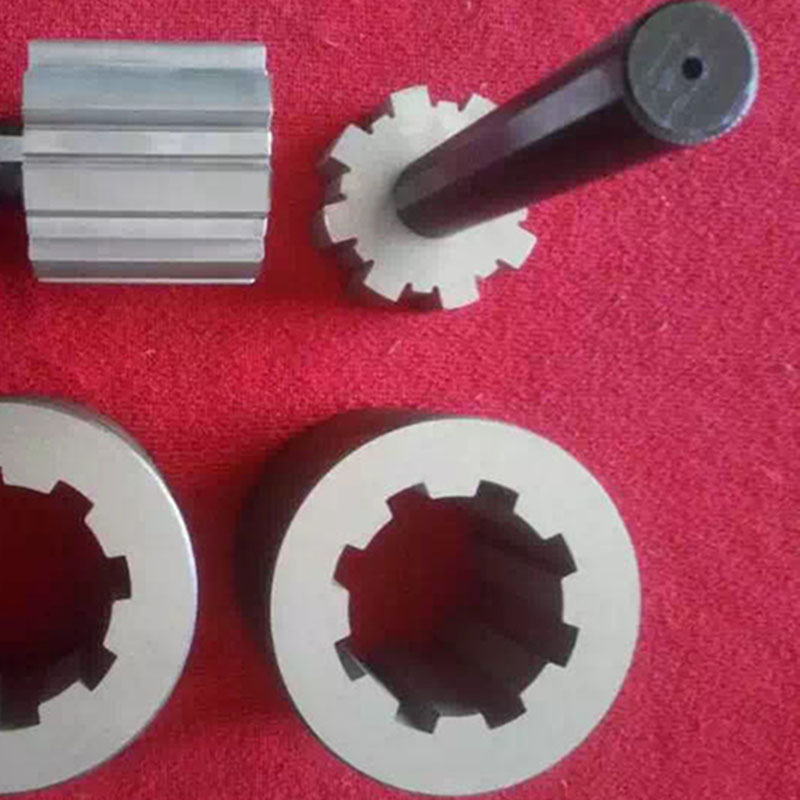
Using Thread Ring Gauges for Accurate Thread Inspection and Measurement Techniques
The Importance of Thread Ring Gauges in Quality Control In the world of manufacturing and engineerin
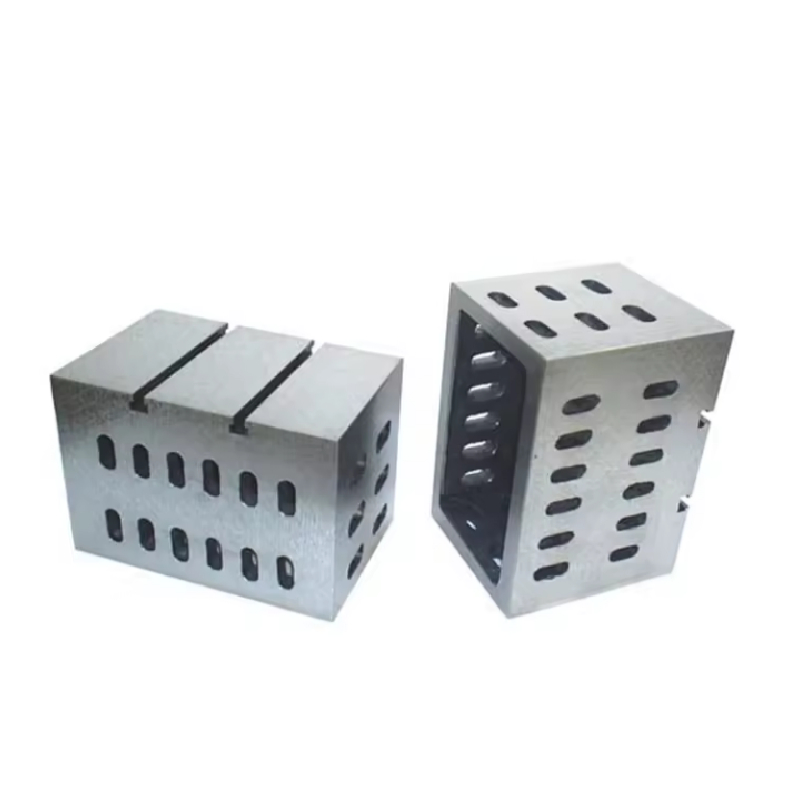
welding table total tools
The Essential Role of a Welding Table in Tool Management and Efficiency In the realm of metalworking
Vanne de retenue à boule de 1% pour une performance optimale du système hydraulique
1 ball check valve .
 English